is a tight, 30-hour RPG from a relatively small team that, since release, [[link]] has sold over . In short, it's been a resounding success—singular and distinct, it looks and feels like nothing else around.
It's a game that's particularly interesting when compared to probably the most well-known turn-based RPG series in the world. As much as people love the Final Fantasy games, it's hard not to see how unwieldy they've become—expensive and time-consuming to make, the pressure is clearly on for them to sell increasingly unrealistic numbers to be considered a success. Both FF7 Rebirth and FF16 failed to meet the mark .
In contrast, Clair Obscur operates in a different development space—smaller scale and with a much smaller budget. In a recent interview with , Matthew Handrahan, the portfolio director at Clair Obscur's publisher Kepler Interactive, opined on the game's place within an industry that he sees as growing increasingly obsessed with big-budget releases.
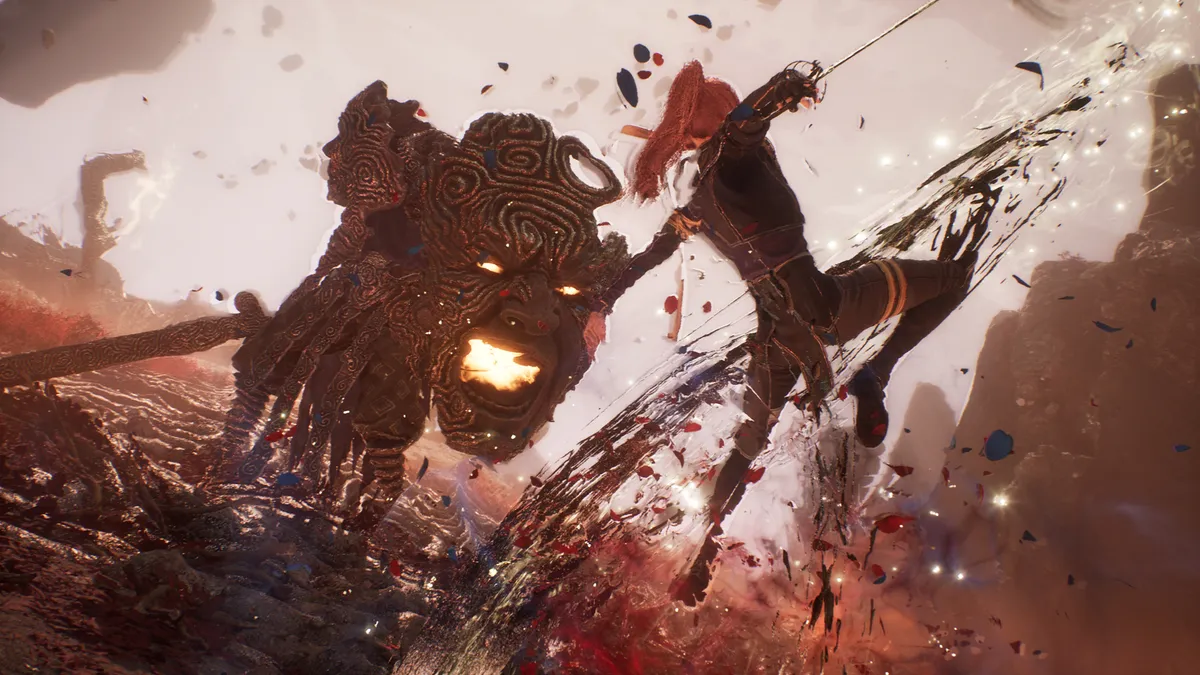
It's easy to slip into neat soundbites about the state of the industry, but I think some of what Handrahan is saying here rings true. Over the years we've seen plenty of publishers struggle with ballooning team sizes and spiralling budgets.
It feels inconceivable now that a team like DICE would be allowed to make a weird, experimental parkour game. 's struggle to make a sequel to charming platformer Beyond Good and Evil has become a thing of legend. Hell, just this week I was complaining to someone on the PC Gamer team about what did to Raven Software—turning the maker of quirky mid-budget shooters into a Call of Duty support studio.
And this is to say nothing of the monetisation—as budgets increase, we feel the sting through both the upfront price of games and the microtransactions contained within.
So yes, there's a [[link]] real chance for smaller publishers to reclaim that space. But it's also worth remembering that this tier of development is also no sure thing. Clair Obscur has been a runaway success, and I can point to plenty of other publishers doing good work with similar resources—shout out to Hooded Horse. But this end of the industry can be just as volatile.

For a while it seemed like Embracer Group was going to champion this tier of development—snaffling up studios from the bigger publishers to create a supergroup of studios geared towards making these types of games. Then it—in the politest possible terms—shat the bed. After a major source of funding fell through, the last few years of Embracer have been marred by redundancies, sales, closures and restructuring.
That said, Sandfall and Kepler have clearly earned their victory lap in this instance, and seemingly are taking the right lessons from Clair Obscur's success. In the same interview, Sandfall's COO and producer François Meurisse tells GamesIndustry that the team plans to stay small and stick to their creative strength and agility. "That's how video games were made for years," he says. "The team that made Ocarina of Time or Half-Life 2, I think those were max 60 or 70 people*, and that kind of size allows for good decisions and great creativity."